
What No One Tells You About Postpartum Rage
Postpartum is often described in soft language - bonding, joy, love. But for many women, another emotion arrives unexpectedly and quietly: rage.
Not mild irritability.
Not “just being tired.”
But sudden, intense anger that feels frightening, overwhelming, or completely unlike you.
If you’ve snapped, shouted, slammed doors, or felt waves of anger you don’t recognise, you could be experiencing postpartum rage.
What Is Postpartum Rage?
Postpartum rage refers to intense anger or irritability that can appear after birth. It often occurs alongside postpartum anxiety or depression, though it can also exist on its own.
Many mothers experiencing postpartum rage say:
“I feel like I’m constantly on edge.”
“The smallest thing sets me off.”
“I don’t recognise myself anymore.”
These feelings can be confusing and shame-inducing - especially when anger doesn’t match society’s idea of how mothers are supposed to feel.
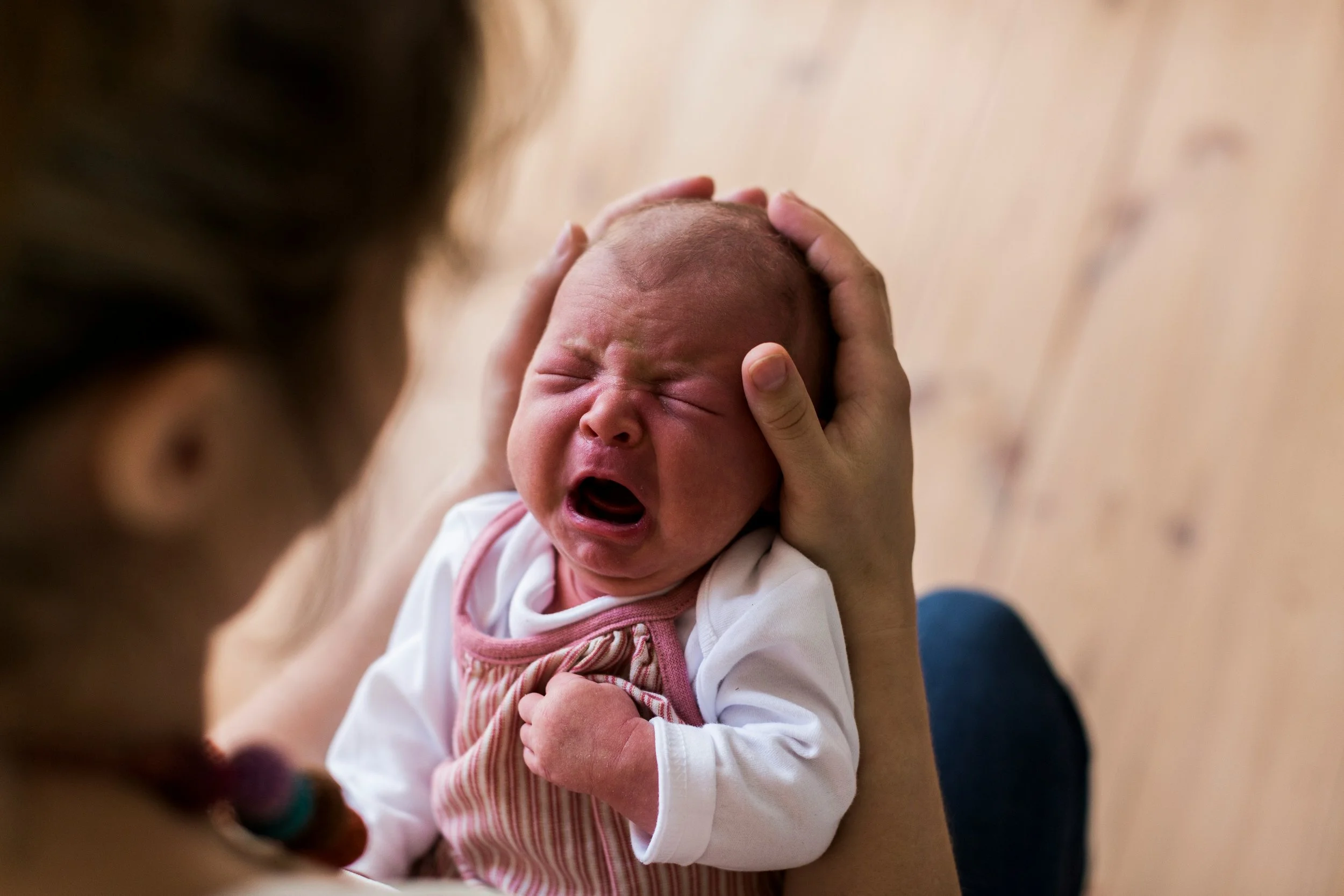
What Postpartum Rage Feels Like
Postpartum rage doesn’t always look explosive. Often, it’s internal and quickly followed by guilt.
Common signs include:
Sudden bursts of anger over small things
Feeling overstimulated or overwhelmed easily
Irritability that escalates quickly
Anger followed by shame, tears, or withdrawal
Feeling trapped, resentful, or invisible
Thinking, “This isn’t who I am.”
These reactions are not a personal failure. They are signals from an overloaded nervous system.
Why Postpartum Rage Happens
Contributing factors can include:
Severe sleep deprivation
Hormonal changes after birth
Loss of autonomy and personal space
Carrying the mental load alone
Feeling unsupported or unheard
Birth trauma or unmet expectations
Postpartum anxiety or depression presenting as anger
Anger often surfaces when exhaustion, fear, and unmet needs have nowhere else to go.
The Silence and Shame Around Maternal Anger
Motherhood allows space for sadness, but rarely for anger.
Many women worry:
“Good mums don’t feel like this.”
“If I say this out loud, someone will judge me.”
“I should be coping better.”
So rage is hidden. And unspoken emotions tend to grow louder, not quieter. Normalising postpartum rage helps reduce shame and opens the door to support.
When Rage Is a Signal, Not a Failure
Anger is information. Postpartum rage may be telling you:
You need more rest
You need practical or emotional support
You’re carrying too much responsibility alone
Your mental health needs attention
Listening to rage with compassion - rather than pushing it down - is often the first step toward relief.
If rage feels constant, frightening, or out of control, reaching out to a GP, midwife, or mental health professional is essential.
How Carea Supports Mothers Experiencing Postpartum Rage
Postpartum rage rarely exists alone. It often sits alongside anxiety, burnout, and emotional overload. Carea was built to support mothers through the full emotional experience of postpartum.
Inside the app, you’ll find:
💚 Mental health check-ins and the Mum Tracker to notice emotional patterns
💚 Journaling prompts to process anger without shame
💚 Calming meditations to regulate overstimulation
💚 Affirmations to ease guilt and self-blame
💚 Expert-led articles and podcasts you can trust
Download Carea by clicking here
You Are Not Failing in This Season
Postpartum rage doesn’t mean you lack love or patience. It means you are overwhelmed in a season that asks a lot of you. And with understanding, support, and compassionate care, that intensity can soften. You deserve to feel supported as you navigate this transition.
FAQs
Is postpartum rage normal?
Yes. Postpartum rage is more common than people realise and often linked to hormonal changes, sleep deprivation, and emotional overload. You are not alone.
Is postpartum rage the same as postpartum depression?
Not always. Rage can occur alongside postpartum depression or anxiety, but it can also exist on its own. A healthcare professional can help assess what’s going on.
How long does postpartum rage last?
There’s no set timeline. With proper support, rest, and treatment when needed, symptoms often improve significantly.
Can postpartum rage affect my baby?
Feeling rage does not mean you’re a bad or unsafe mother. Seeking support early helps protect both your wellbeing and your baby’s environment.
How can Carea help with postpartum rage?
Carea provides tools to track emotions, process anger through journaling, access calming practices, and receive expert guidance - all designed to support your mental health during postpartum.
