
Pregnancy Anxiety vs “Normal Worry”: How To Tell The Difference
Pregnancy naturally brings worry. You might think about whether your baby is growing properly, whether you’ll cope with labour, or whether you’re truly ready to become a parent. For most people, these thoughts come and go. They feel manageable. You can still sleep. You can still focus on your day.
But sometimes, the worry doesn’t quieten. It loops. It escalates. It wakes you up at 3am. It convinces you something is wrong even when you’ve been reassured.
What “Normal” Pregnancy Worry Looks Like
Worry in pregnancy is expected. You’re growing a human. Your life is about to change completely. It would be unusual not to have questions or concerns.
Normal worry tends to:
Be triggered by specific events (a scan, a symptom, an appointment)
Settle after reassurance
Allow you to return to calm
Feel proportionate to the situation
Leave space for excitement and joy
You might briefly Google something, mention it to your partner, or ask your midwife, and then move on.
When Worry Becomes Anxiety
Pregnancy anxiety feels different. It’s persistent. It’s louder. It doesn’t respond easily to reassurance.
You might notice:
Racing thoughts you can’t switch off
Repeatedly checking for symptoms or baby movements
Googling late into the night
Constant “what if” scenarios
Physical symptoms like tight chest, shallow breathing, nausea, or headaches
Feeling unable to relax, even when everything is medically fine
Guilt for not feeling calm or grateful
Instead of coming and going, the worry becomes the background noise of your day.
Anxiety can also be subtle. You may still function, attend appointments, and tick off your to-do list. On the outside, you look “fine.” But internally, you’re bracing for something to go wrong.
That hypervigilance is exhausting.
Why Pregnancy Anxiety Happens
Pregnancy anxiety is common. Your body is flooded with hormonal changes that affect emotional regulation. Sleep may already be disrupted. You’re navigating uncertainty. And if you’ve experienced miscarriage, fertility struggles, IVF, or previous birth trauma, your nervous system may already be on high alert.
Add to that the societal expectation that pregnant women should feel glowing, calm, and grateful - and anxiety can start to feel like a personal failure.
It isn’t.
It’s your brain trying to protect you from uncertainty. It just sometimes does that too loudly.
How to Cope When Worry Feels Constant
Not all worry needs intervention. But when anxiety feels intrusive or overwhelming, having tools in place can help you regain steadiness.
Here are practical, supportive strategies:
Track patterns instead of spirals
Writing down your worries helps remove them from your head and onto paper.
Using tools like Carea’s pregnancy journal, symptom tracker and mum tracker can help you:
Notice recurring triggers
Spot patterns in mood and sleep
Separate facts from fear
Seeing your thoughts written down often reduces their intensity.

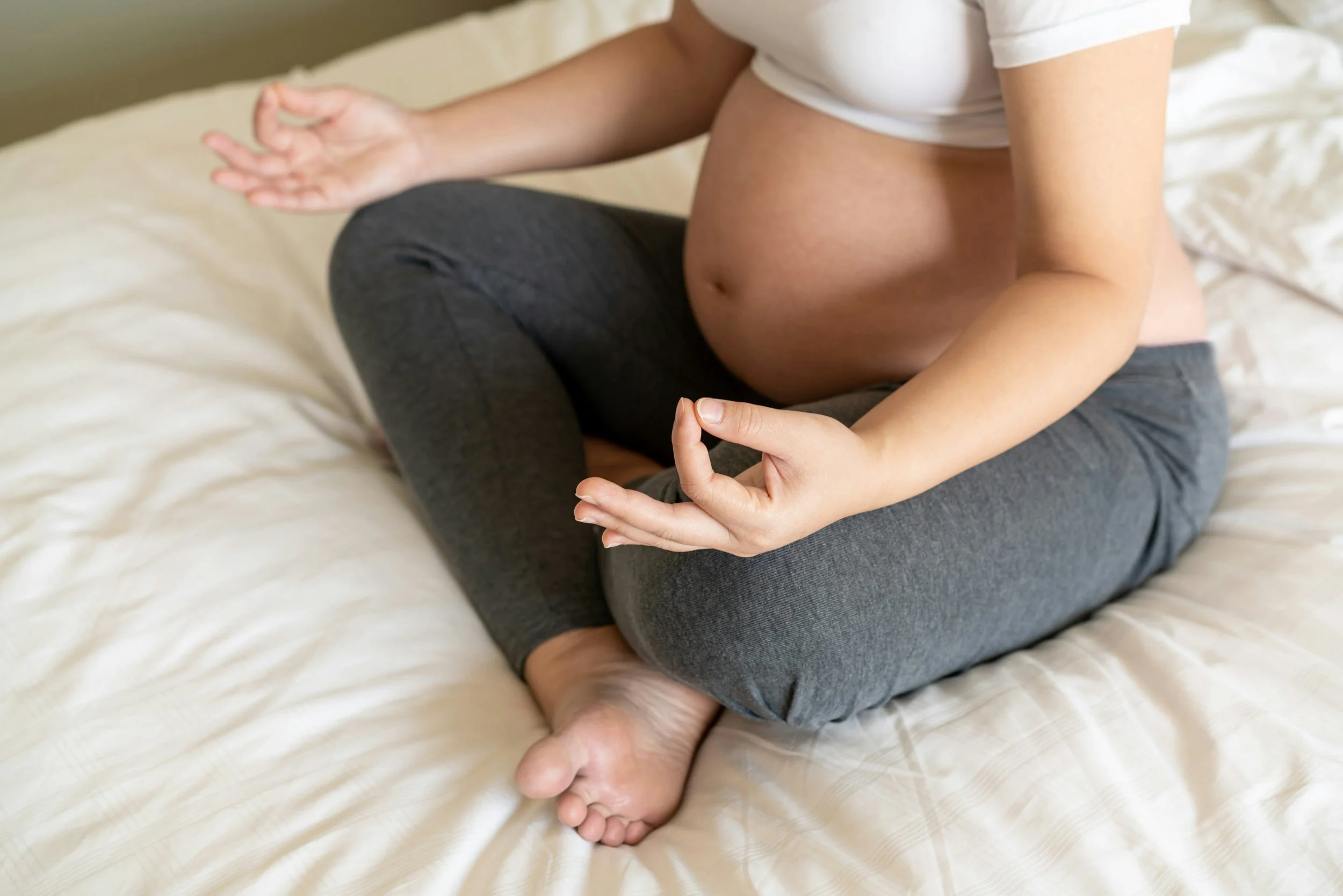
Ground your body to calm your mind
Anxiety isn’t just mental - it’s physical.
Try:
4-7-8 breathing
A short guided meditation inside of Carea
Affirmations
Gentle stretching
A five-minute “notice five things” grounding exercise
Even a few minutes can reset your nervous system.
Create predictable routines
Structure reduces uncertainty.
Simple routines like:
Consistent meal times
Wind-down bedtime rituals
Daily walks
Scheduled check-in moments
Using tools like the Carea Mum Tracker to monitor sleep, mood, and energy can help you feel more in control rather than reactive.

Talk about it - out loud
Anxiety grows in silence.
Sharing your thoughts with:
A partner
A trusted friend
Your midwife
A therapist
Often reduces shame and isolation instantly.

When to Seek Professional Support
If anxiety:
Interferes with sleep regularly
Dominates your daily thinking
Affects your relationships
Stops you from enjoying pregnancy at all
It deserves proper support.
Pregnancy anxiety is treatable. Therapy, midwife support, GP input, and structured mental health tools can make a huge difference.
Reaching out is not overreacting. It’s responsible.
You Are Not Weak - You Are Adjusting
Pregnancy anxiety can make you feel like you’re failing at something you’re supposed to enjoy. But anxiety doesn’t cancel your gratitude. It doesn’t mean you don’t love your baby. It doesn’t make you dramatic.
It means your brain is adjusting to one of the biggest transitions of your life
With the right tools, reassurance, and support, the noise can soften. The spirals can slow. And you can create space for both caution and joy to exist together.
You deserve to feel supported - not alone in your thoughts.
FAQs
Is pregnancy anxiety common?
Yes. Many pregnant women experience anxiety due to hormonal changes, uncertainty, and life transition. It’s more common than many people realise.
How do I know if it’s anxiety rather than normal worry?
If your thoughts feel intrusive, persistent, affect sleep, or dominate your day even after reassurance, it may be anxiety.
Can pregnancy anxiety harm my baby?
Mild anxiety is common and usually not harmful. Persistent or severe anxiety should be discussed with your healthcare provider for appropriate support.
Should I speak to my midwife about anxiety?
Yes. Midwives are trained to support emotional wellbeing as well as physical health.
Does feeling anxious mean I’m ungrateful?
No. Anxiety and gratitude can exist at the same time. Feeling worried does not reflect your love or readiness to become a parent.
