
I Can’t Stop Worrying About My Baby: When Postpartum Anxiety Is More Than New-Mum Nerves
Postpartum brings love, exhaustion, joy, fear, and responsibility - often all at once. But for many new mums, there’s one feeling that quietly takes over:
I can’t switch my brain off.
You might worry constantly about your baby’s breathing, feeding, sleep, or health. You might feel on edge all day, replaying scenarios, Googling symptoms, or lying awake even when your baby is finally sleeping.
If this is you, you’re not failing. You may be experiencing postpartum anxiety, and it’s far more common than people realise.
What Postpartum Anxiety Really Looks Like
Postpartum anxiety doesn’t always look like panic attacks or obvious fear. Often, it shows up in quieter, relentless ways:
Constantly checking on your baby, even when they’re safe
Racing thoughts you can’t slow down
Feeling unable to relax or enjoy calm moments
Tight chest, shallow breathing, or a sense of dread
Googling symptoms late at night
Feeling responsible for preventing everything from going wrong
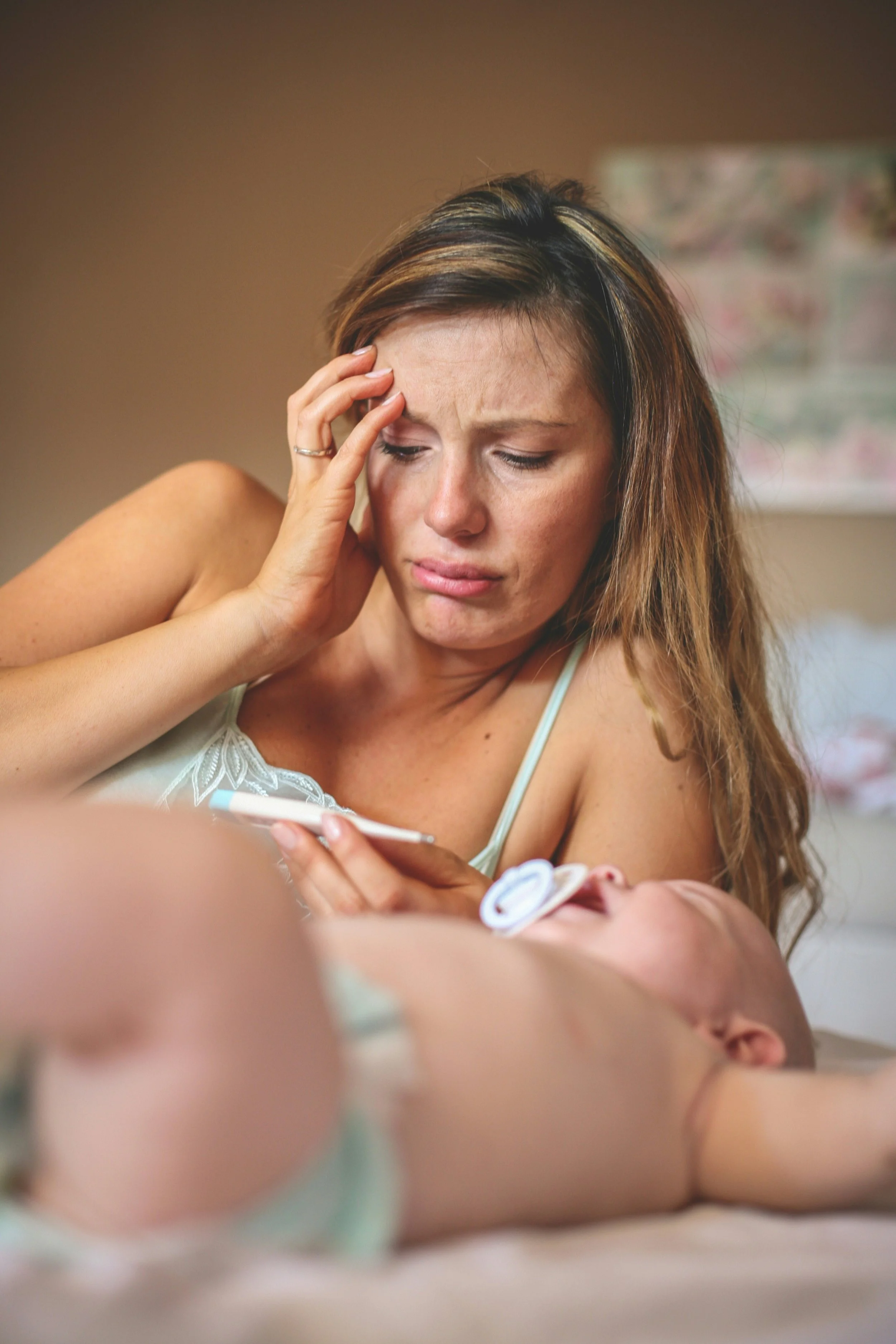
Why Postpartum Anxiety Happens
Postpartum anxiety isn’t a sign that something is wrong with you. It’s often the result of several things happening at once:
Huge hormonal shifts after birth
Severe sleep deprivation
A sudden increase in responsibility
Birth trauma or a difficult pregnancy
Previous anxiety, miscarriage, IVF, or fertility struggles
Pressure to feel grateful, calm, and capable
Your body and mind have gone through an enormous transition. Anxiety is often your system trying - imperfectly - to protect you and your baby.
“But Everyone Worries… How Do I Know If It’s More?”
Worry is a part of new motherhood. Anxiety becomes something else when it starts to take over.
You might notice:
Worry that feels constant, not occasional
You can’t relax even when things are going well
Your thoughts jump to worst-case scenarios
You feel guilty for not enjoying this stage
Fear feels louder than joy
If worry is dominating your thoughts or affecting your daily life, it deserves care - not minimisation.
When Postpartum Anxiety Is a Sign to Seek Help
If your anxiety feels constant, overwhelming, or starts to affect your sleep, relationships, or ability to function day to day, reaching out for help is important.
Support might include:
Talking to your GP or health visitor
Postnatal mental health services
Therapy or counselling
Seeking help doesn’t mean you’re failing.
It means you’re taking care of yourself and your baby.
How Carea Supports Postpartum Anxiety
At Carea, we understand postpartum anxiety because we’ve lived it.
Our postpartum tools are designed to support your mental health, not just your baby's milestones.
💚 Daily mental health check-ins and the Mum Tracker to help you notice patterns early
💚 Journaling prompts to offload racing thoughts safely
💚 Meditations and affirmations for anxiety, overwhelm, and intrusive thoughts
💚 Expert-led articles and podcasts you can trust
💚 Postpartum mode built around healing, not productivity
We’re here to support you - gently, consistently, and without judgement.
You Are Not Failing, You Are Adjusting
Postpartum anxiety can feel heavier when it goes unspoken. When it’s brushed off as “just worry,” many women are left feeling alone with their fears. Reaching out early can be an important step toward feeling steadier and more supported.
You are in the middle of a huge transition. Allow yourself to receive gentleness, care, and support as you find your way through it.
FAQs
Is it normal to feel anxious after having a baby?
Yes. Many new mums experience anxiety due to hormonal changes, sleep deprivation, and increased responsibility. When it becomes constant or overwhelming, it’s important to seek support.
How do I know if I have postpartum anxiety?
If worry feels relentless, affects your sleep or daily life, or stops you from enjoying moments, it may be postpartum anxiety rather than typical new-mum worry.
Can postpartum anxiety happen without depression?
Yes. Postpartum anxiety can exist on its own or alongside postnatal depression.
How can Carea help with postpartum anxiety?
Carea offers mental health tracking, journaling, meditations, affirmations, expert content, and postpartum support tools designed to help you feel calmer and more supported.
