
Birth Trauma: Why We Need to Talk About the Mum, Not Just the Baby
Everyone asks if the baby is okay.
If the birth went “well.” If you’re recovering physically. But far fewer people ask: How are you, really?
Because sometimes, even when the baby is safe, something inside you doesn’t feel okay. And that part often goes unspoken.
What Birth Trauma Can Actually Feel Like
Birth trauma isn’t always obvious.
It doesn’t have to involve a medical emergency or a clearly “dramatic” birth. Sometimes, it’s about how the experience felt - fear, loss of control, not being heard, or something not going the way you expected.
For some women, these feelings fade. For others, they stay.
You might notice:
Intrusive thoughts or flashbacks about the birth
Feeling panicked when thinking about what happened
Avoiding conversations or reminders of birth
Trouble sleeping, even when your baby sleeps
Feeling on edge, irritable, or emotionally numb
These are not just “new mum worries.” They can be signs of birth trauma or postpartum PTSD.
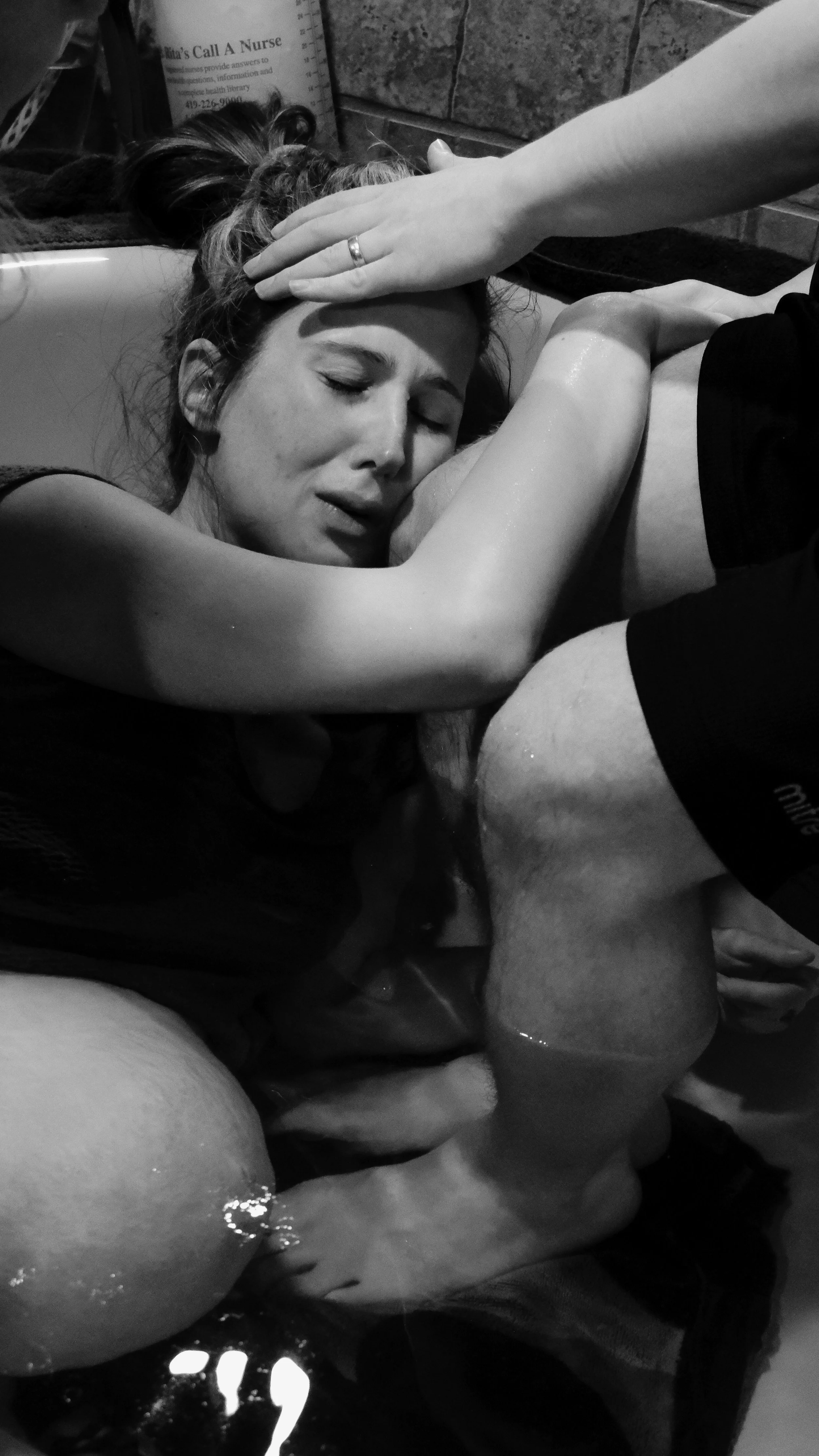
Birth trauma is often underestimated
In the UK, around 1 in 25 women experience postpartum PTSD following birth.
And many more experience distress that doesn’t get formally diagnosed.
Part of the reason? It’s not talked about enough.
There’s a strong focus on the baby’s health - rightly so - but that can leave very little space for the mother’s emotional experience to be acknowledged.
Why So Many Women Feel Overlooked After Birth
After birth, most care focuses on physical recovery and the baby’s wellbeing. But emotional aftercare is often limited.
Appointments are brief. Questions are surface-level. And many women don’t feel able to say: Something didn’t feel right.
You might minimise your experience:
“At least the baby is healthy”
“Other people had it worse”
“I should just move on”
But trauma isn’t measured by comparison.
It’s measured by how it felt to you, and how it continues to live in your body and mind.
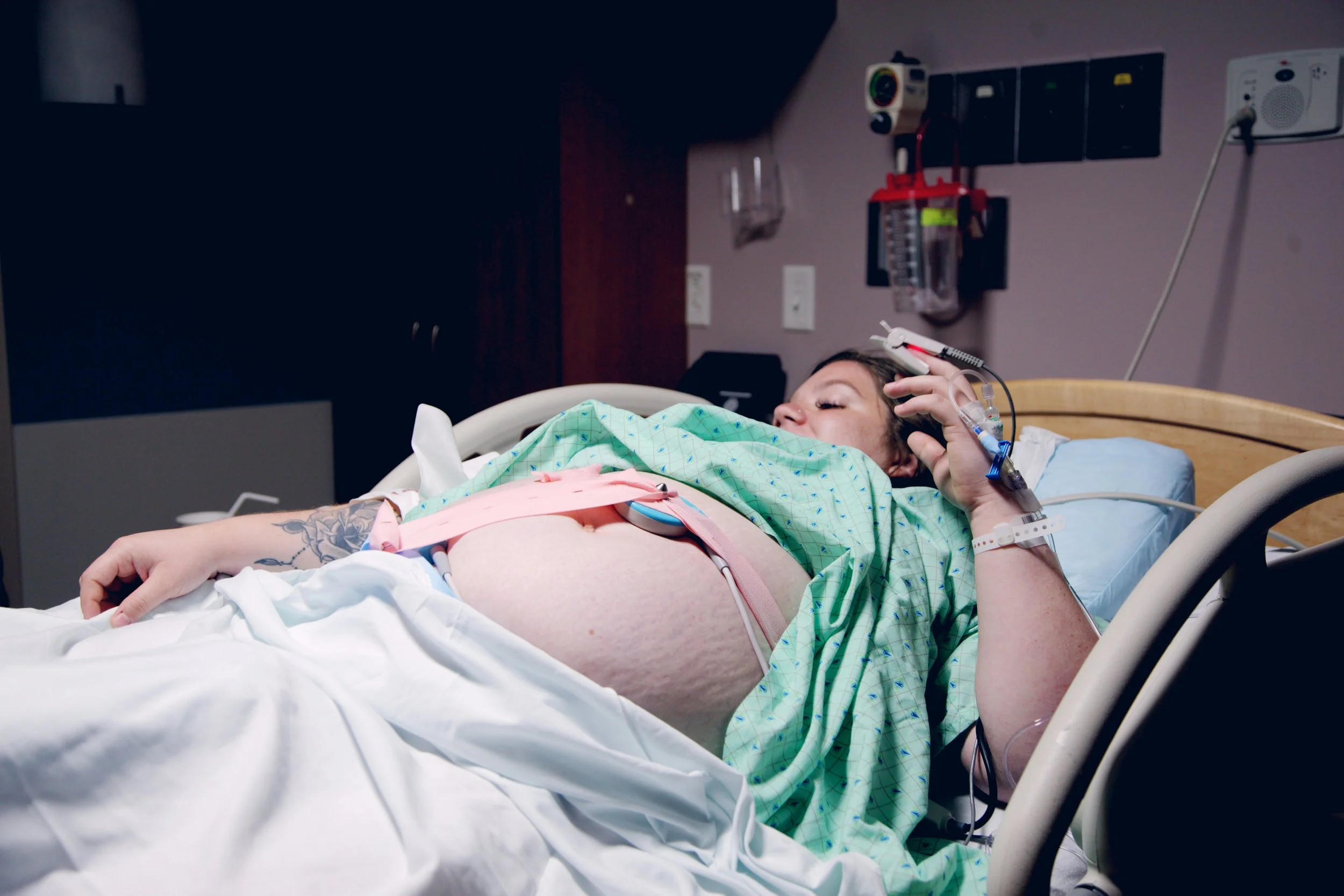
When It Might Be Time to Seek Support
If your birth experience is still affecting you weeks or months later, it’s worth paying attention to.
You might benefit from support if:
You can’t think about the birth without distress
You feel anxious, low, or constantly on edge
You’re avoiding anything that reminds you of it
It’s impacting your sleep, relationships, or daily life
Seeking support doesn’t mean you’re overreacting. It means you’re recognising that something needs care.
Support options include:
Speaking to your GP, midwife, or health visitor
Referral to perinatal mental health services
Birth debrief services through your hospital
Therapy, including trauma-focused approaches
Even starting the conversation can feel like a big step.
How Carea Supports You
At Carea, we believe your experience matters just as much as your baby’s outcome.
If you’re processing a difficult or traumatic birth, our tools are here to support you gently:
💚 Daily check-ins & Mum Tracker – notice patterns in mood, anxiety, and emotional triggers
💚 A safe space to journal – process your birth experience in your own time
💚 Guided meditations – support grounding, calm, and nervous system regulation
💚 Expert-led content – understand birth trauma and postpartum mental health
A healthy baby doesn’t cancel out a difficult birth…
You can feel grateful… and still feel shaken.
You can love your baby… and still be struggling with what happened.
Those feelings don’t contradict each other. They sit side by side. And you deserve support for all of it - not just the parts that are easy to talk about.
FAQs
What are the symptoms of birth trauma?
Birth trauma can include flashbacks, anxiety, avoidance, emotional numbness, sleep issues, and feeling constantly on edge after birth.
How common is postpartum PTSD in the UK?
Around 1 in 25 women experience postpartum PTSD, though many more experience distress that goes unreported.
Can you have birth trauma even if the baby is healthy?
Yes. Trauma is about your experience, not just the outcome. A healthy baby doesn’t mean the birth wasn’t distressing.
When should I seek help after a traumatic birth?
If distress persists weeks or months after birth, or affects your daily life, it’s important to seek support.
What support is available in the UK for birth trauma?
Support includes GPs, midwives, health visitors, perinatal mental health services, birth debriefs, and therapy.
